

Anxiety Disorders in 2026: Symptoms, Causes, and Treatment – Anxiety disorders are a group of mental health conditions characterized by excessive fear or worry that significantly impacts day-to-day functioning. As we enter 2026, the classification of these disorders has become more refined, aiding in both diagnosis and treatment. Common types of anxiety disorders include Generalized Anxiety Disorder (GAD), Panic Disorder, Social Anxiety Disorder, and various specific phobias.
Generalized Anxiety Disorder is defined by persistent and excessive worry about various aspects of life such as health, school, or work, making it challenging for individuals to control their anxiety. Panic Disorder, on the other hand, involves recurrent panic attacks that manifest physically, causing sensations such as heart palpitations and shortness of breath, which can lead to fear of future attacks. Social Anxiety Disorder centers around a significant fear of social interactions and being judged by others, resulting in avoidance behaviors. Additionally, specific phobias encompass intense, irrational fears of particular objects or situations, which can trigger overwhelming anxiety responses.
The prevalence of anxiety disorders has been increasing globally. Recent studies indicate that approximately 20% of the adult population may experience some form of anxiety disorder in their lifetime, making it essential for those affected to acknowledge and understand their symptoms. Recognizing the signs of anxiety disorders is vital, as early diagnosis can facilitate access to effective treatments, whether they be therapeutic approaches, medication, or a combination of both. Early intervention often leads to better long-term outcomes and improved quality of life for individuals grappling with these conditions.
Symptoms of Anxiety Disorders in 2026
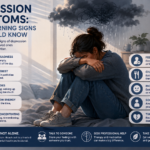
Anxiety disorders manifest through a variety of symptoms that can be categorized into four main dimensions: emotional, cognitive, physical, and behavioral. In 2026, individuals with these disorders may experience heightened emotional distress, characterized by feelings of excessive worry, fear, or apprehension. This emotional turmoil is often disproportionate to the actual threat and can lead to overwhelming feelings of dread that permeates daily life.
Cognitively, anxiety disorders may contribute to persistent negative thoughts or a preoccupation with catastrophic outcomes. People may find it challenging to focus, often feeling their minds are racing or blank, which can interfere with the execution of daily tasks. Additionally, cognitive distortions such as overestimating danger or underestimating their ability to cope are prevalent among those suffering from anxiety.
Physical symptoms of anxiety are often a significant source of discomfort. In 2026, individuals may experience increased heart rate, perspiration, trembling, or muscle tension. These symptoms can result in heightened alertness or a “fight or flight” response, causing distress in everyday situations. The physical aspect of anxiety may also include gastrointestinal issues, headaches, or fatigue, further complicating the individual’s overall health.
Behaviorally, individuals suffering from anxiety disorders may display avoidance tendencies, where they steer clear of situations that induce feelings of panic or anxiety. This may lead to withdrawal from social interactions, work responsibilities, and enjoyable activities, significantly impacting one’s quality of life.
Each individual’s experience with anxiety disorders can differ, influenced by the severity of their condition and personal circumstances. Recognizing these varied symptoms is vital for early identification and intervention, fostering a supportive environment for those affected.
Causes of Anxiety Disorders
Anxiety disorders are complex conditions that arise from a combination of genetic, environmental, psychological, and social factors. Understanding these multifaceted causes is crucial in addressing the conditions effectively. One significant component is genetics; research indicates that a family history of anxiety disorders can increase an individual’s susceptibility. This genetic predisposition does not act alone but interacts with various stressors throughout a person’s life.
Environmental factors, particularly adverse life experiences, have been widely recognized as potential triggers for anxiety disorders. Experiences such as trauma, abuse, or prolonged periods of stress are significant contributors. For instance, a person who has witnessed or experienced violence may develop heightened anxiety as a direct consequence of that trauma. Additionally, major life transitions, such as moving to a new city or experiencing a bereavement, can provoke anxiety symptoms, perpetuating the development of an anxiety disorder.
Psychological factors also play a pivotal role in the emergence of anxiety disorders. Cognitive models suggest that individuals prone to negative thinking or those with low self-esteem may be more likely to experience anxiety. Such cognitive patterns can make individuals less resilient, thus increasing their vulnerability to anxiety-related symptoms. Furthermore, social factors, including isolation or lack of social support, may exacerbate anxiety. The presence of a supportive social network can mitigate stress and promote better mental health outcomes.
Ultimately, anxiety disorders are the product of intricate interactions between biological and environmental factors. As research continues to evolve, a comprehensive understanding of these causes will enhance treatment approaches and support strategies in managing anxiety disorders effectively in 2026 and beyond.
Treatment Approaches for Anxiety
As we navigate the landscape of mental health in 2026, the treatment of anxiety disorders has evolved, offering a diverse range of approaches tailored to individual needs. The prominence of psychological therapies, notably Cognitive Behavioral Therapy (CBT), remains a cornerstone in the treatment of anxiety. This evidence-based therapy focuses on identifying and reshaping negative thought patterns, making it particularly effective for individuals grappling with anxiety. In recent developments, new techniques within CBT, such as virtual reality exposure therapy, have emerged to provide immersive experiences that help patients confront their fears in a controlled environment.
In terms of pharmacological treatments, selective serotonin reuptake inhibitors (SSRIs) continue to be commonly prescribed. These medications work by increasing serotonin levels in the brain, thereby improving mood and reducing anxiety symptoms. Advances in pharmacogenetics have allowed for more personalized medication regimens, where genetic testing helps determine which SSRIs may yield the best results for an individual, mitigating the trial-and-error phase often associated with anxiety medication.
Holistic and alternative therapies are gaining traction as complementing treatment options for anxiety disorders. Mindfulness practices, yoga, and acupuncture have shown promise in managing symptoms, addressing both the physical and emotional aspects of anxiety. In 2026, there is a greater focus on integrating these holistic methods with conventional treatments, creating a comprehensive strategy for recovery.
Furthermore, the importance of tailored treatment plans cannot be overstated. Each individual’s experience with anxiety disorder is unique, necessitating an approach that considers their specific symptoms, medical history, and lifestyle. Support systems, including family members, therapists, and peer networks, play a crucial role in fostering a supportive environment for recovery. Collectively, these advanced treatment approaches signify a more nuanced understanding of anxiety disorders, underscoring the commitment to effective and inclusive strategies for those affected by this condition.