
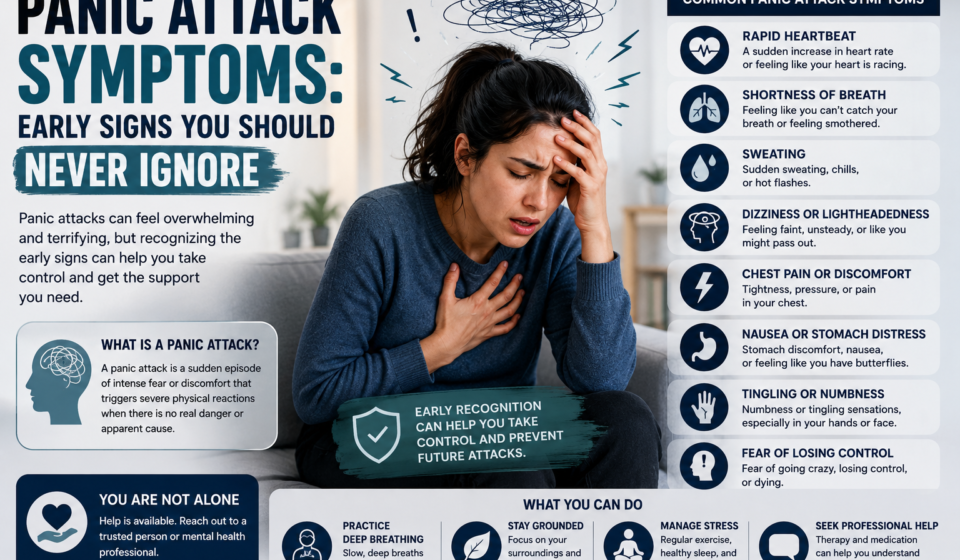

Panic Attack Symptoms: Early Signs You Should Never Ignore – Panic attacks are sudden episodes of intense fear or discomfort that can precipitate a range of physical and emotional symptoms. These episodes often occur unexpectedly and can be debilitating, affecting an individual’s daily life and overall well-being. Common manifestations of panic attacks include heart palpitations, shortness of breath, dizziness, feelings of impending doom, and a sense of losing control. Recognizing the significance of these attacks is vital for timely intervention and support.
Research indicates that panic attacks are a widespread concern, with a notable prevalence among individuals who face specific risk factors. Populations that are particularly at risk include those with a history of anxiety disorders, individuals going through significant life changes or stressors, and those with a family history of mental health issues. Understanding these demographics aids in identifying when someone may be more inclined to experience panic attacks.
The debilitating nature of panic attacks cannot be overstated; they can significantly impede an individual’s ability to function. For many, the fear of experiencing an attack can lead to avoidance behaviors, such as steering clear of certain situations or places perceived as potential triggers. This avoidance can further exacerbate feelings of anxiety and isolation, creating a cycle that is challenging to break. Thus, early recognition of panic attack symptoms is crucial for preventing these episodes from escalating and for facilitating access to appropriate treatments or coping strategies.
As awareness grows regarding the impact of panic attacks, it becomes increasingly important for individuals, families, and communities to focus on recognizing early symptoms. Encouraging open conversations about mental health can reduce stigma and promote a better understanding of panic attacks, leading to proactive approaches in managing them effectively.
Common Symptoms of Panic Attacks
Panic attacks are characterized by a variety of symptoms that can manifest both physically and psychologically. Understanding these symptoms is crucial for identifying and addressing panic attacks effectively. One of the most commonly reported physical symptoms is a rapid heartbeat, often described as palpitations. This can lead to significant discomfort and may cause the individual to fear that they are experiencing a heart-related issue.
Another prevalent physical symptom is sweating, which frequently accompanies the intense feelings of anxiety during a panic attack. Individuals may also experience dizziness or light-headedness, making it tough to maintain balance or focus on their surroundings. Additionally, some may report sensations of choking or difficulty breathing, further exacerbating feelings of panic.
Alongside these physical manifestations, psychological symptoms are equally important to consider. Many individuals experiencing a panic attack report feelings of impending doom, as if something catastrophic is about to happen. This overwhelming sensation can lead to irrational thoughts and heightens the overall anxiety of the episode. Moreover, derealization is a symptom where individuals may feel detached from their surroundings, experiencing a sense that reality is altered or dreamlike. This can lead to confusion and intensify the fear experienced during the episode.
It is essential to note that the symptoms of panic attacks can vary significantly from one individual to another. While some may experience a wide array of symptoms at once, others may only face a few. The severity, duration, and frequency of these symptoms can also differ, making it vital for individuals to understand their unique responses and seek appropriate support when needed.
Early Signs You Should Never Ignore
Panic attacks are often characterized by a sudden and intense feeling of fear or impending doom. Being able to identify early warning signs is crucial for individuals who may experience them in order to take preventative measures. Recognizing these symptoms can empower individuals to act proactively and mitigate the impact of an impending episode.
One common early indicator of a panic attack is an increased heart rate, which may be accompanied by palpitations. Individuals often report feelings of tightness in the chest, as if they are struggling to breathe. These physical sensations can lead to heightened anxiety, and acknowledging them early can make a significant difference in how one copes with the situation. Other symptoms may include dizziness, lightheadedness, or a sense of unreality, known as derealization.
Emotional symptoms can also manifest prior to a panic attack. Individuals might experience sudden feelings of excessive worry, fear, or irritability that seem disproportionate to their current circumstances. Keeping a journal to track these feelings, along with any physical symptoms noticed, can help individuals identify patterns that precede an attack. For instance, recognizing that certain situations or environments trigger anxious feelings can provide opportunities to prepare mentally or avoid those triggers altogether.
Moreover, self-awareness plays a vital role in recognizing the onset of panic. When individuals can connect their anxiety to specific thoughts or experiences, they can employ coping strategies such as deep breathing, grounding techniques, or seeking support from trusted friends or professionals. Learning mindfulness or relaxation skills may also contribute to a greater understanding and management of symptoms.
In summary, acknowledging and addressing the early signs of an impending panic attack can foster a proactive mindset. By observing changes in both physical and emotional states, individuals can take informed steps to prevent full-blown panic attacks and promote a sense of control over their mental health.
When to Seek Help
Recognizing when it is appropriate to seek help for panic attack symptoms is a crucial step in managing this condition effectively. Individuals who find themselves experiencing frequent panic attacks or symptoms that hamper their daily activities should consider consulting a healthcare professional. Symptoms such as overwhelming fear, rapid heartbeat, or feelings of unreality can be distressing and may indicate the need for intervention.
It is advisable to seek help if panic attacks occur more than once a month or if they escalate in frequency and intensity. Moreover, if an individual begins to avoid certain situations or places due to fear of experiencing a panic attack, it might signify that the condition is negatively impacting their quality of life. Speaking to a healthcare provider can enable individuals to better understand their symptoms and provide them with the necessary support and resources.
Once professionals are consulted, multiple treatment options can be explored. Traditional methods include psychotherapy, where techniques like cognitive-behavioral therapy (CBT) are employed to help individuals build coping strategies and address distorted thought patterns associated with panic attacks. Furthermore, medication can also be prescribed, which may include antidepressants or anti-anxiety medications that can help in reducing the frequency and severity of panic attacks.
In some cases, an integrative approach that combines therapy and medication may yield the best results. It is worth noting that each individual’s experience with panic attacks is unique, and therefore a personalized treatment plan is essential. Engaging regularly with a healthcare provider allows for continuous assessment and adjustment of the treatment plan, ensuring that individuals receive the most effective care possible to manage their symptoms.
