

Is Gambling Addiction a Mental Illness? Clinical Classification, Causes, and Recovery
For decades, excessive gambling was widely viewed as a lack of willpower, irresponsible financial behavior, or simply a moral failing. However, modern psychiatric research and neurological science paint a very different picture. Today, medical authorities recognize that compulsive wagering is far more than an unhealthy habit.
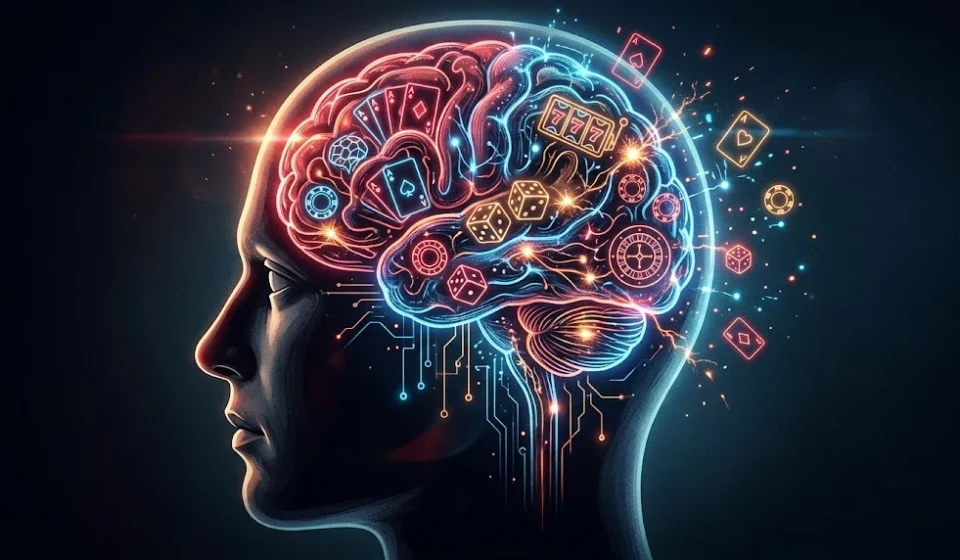
So, is gambling addiction a mental illness? The short and definitive medical answer is yes. Compulsive gambling is officially classified as a recognized mental health disorder.
Understanding how the medical community classifies this condition, how it impacts the brain, and how it can be treated is essential for players, families, and anyone seeking to promote responsible gaming practices.
The Official Diagnosis: Gambling Disorder
In clinical settings, gambling addiction is formally referred to as Gambling Disorder.
The American Psychiatric Association (APA) includes it in the Diagnostic and Statistical Manual of Mental Disorders, Fifth Edition (DSM-5). In previous editions, gambling was categorized under impulse control disorders, alongside conditions like pyromania or kleptomania. However, extensive research prompted the APA to reclassify it under Substance-Related and Addictive Disorders.
Similarly, the World Health Organization (WHO) lists Gambling Disorder in the International Classification of Diseases (ICD-11) under disorders due to addictive behaviors.
This classification establishes that a person does not need to ingest a chemical substance—such as alcohol or narcotics—to develop a severe clinical addiction. The compulsive behavior itself triggers identical neurochemical dependencies.
The Neuroscience: What Happens in the Brain?
The decision by neuroscientists to classify gambling as an addiction stems from brain imaging studies showing how gambling affects neural pathways:
-
The Dopamine Reward Pathway: Winning, or even the near-miss anticipation of winning, releases significant surges of dopamine in the nucleus accumbens—the brain’s pleasure center. Over time, the brain builds tolerance, requiring higher stakes or riskier bets to experience the same emotional rush.
-
Prefrontal Cortex Dysfunction: The prefrontal cortex regulates executive function, impulse control, and long-term risk assessment. In individuals with gambling disorder, communication between this region and the reward system becomes impaired, severely reducing the ability to resist impulsive urges.
-
Withdrawal Symptoms: When unable to gamble, affected individuals frequently experience psychological withdrawal symptoms comparable to chemical dependencies, including severe restlessness, irritability, insomnia, and mood swings.
Common Signs and Symptoms
Clinicians diagnose gambling disorder when a pattern of repeated gambling behavior leads to significant distress or impairment across a 12-month period. Key diagnostic criteria include:
-
Need for Higher Stakes: Betting increasing amounts of money to achieve desired excitement.
-
Restlessness When Stopping: Feeling irritable or agitated when attempting to cut down or cease betting.
-
Repeated Failed Attempts to Quit: Making unsuccessful efforts to control or discontinue gambling.
-
Preoccupation: Constantly reliving past betting experiences, planning upcoming bets, or thinking of ways to obtain money to gamble.
-
Chasing Losses: Returning after losing money to try and win it back quickly.
-
Lying and Concealment: Hiding the extent of gambling involvement from family members and loved ones.
-
Jeopardizing Relationships and Security: Risking or losing major personal relationships, employment, or academic opportunities due to betting.
-
Financial Bailouts: Relying on third parties to resolve desperate financial problems caused by gambling losses.
Dual Diagnosis: Co-Occurring Mental Health Conditions
Gambling disorder rarely exists in isolation. It frequently co-occurs with other psychiatric conditions, a phenomenon known in clinical psychology as dual diagnosis:
-
Major Depressive Disorder: Severe financial distress and emotional burnout often precipitate major depressive episodes.
-
Anxiety Disorders: Chronic stress over concealed debts and uncertain outcomes fuels heightened generalized anxiety and panic attacks.
-
Substance Abuse: Studies indicate high rates of concurrent alcohol or substance use disorders among problem gamblers.
-
Attention-Deficit/Hyperactivity Disorder (ADHD): Baseline deficiencies in impulse control make individuals with ADHD statistically more vulnerable to behavioral addictions.
Evidence-Based Treatment and Recovery Options
Because gambling addiction is a medical and psychological disorder, willpower alone is rarely sufficient to achieve sustained recovery. Professional interventions yield the highest success rates:
-
Cognitive Behavioral Therapy (CBT): The gold standard psychological treatment for gambling disorder. CBT assists patients in identifying cognitive distortions—such as the “gambler’s fallacy” (believing past events influence future random outcomes)—and rebuilding healthier coping mechanisms.
-
Medication Support: While no medication is exclusively approved solely for gambling disorder, mood stabilizers, SSRIs (antidepressants), and opioid antagonists (such as naltrexone) are regularly prescribed to reduce cravings and stabilize co-occurring mood issues.
-
Peer Support Networks: Groups such as Gamblers Anonymous (GA) utilize 12-step mutual-support structures that offer accountability, community understanding, and long-term mentorship.
-
Self-Exclusion and Digital Barriers: Installing website blockers, activating operator self-exclusion lists, and delegating financial oversight to a trusted family member serve as vital practical safeguards during early recovery.
Summary
Classifying gambling addiction as a mental illness is not an excuse for harmful behavior; rather, it provides a scientific framework that explains why stopping is so extraordinarily difficult without structured support. Responsible gambling isn’t just a guideline, it is the ultimate defense against falling into the trap of gambling addiction. Recognizing compulsive gambling as a neurobiological disorder removes stigma, encourages early screening, and directs individuals toward professional medical care and long-term recovery.